
Inside Sol Cerúleo: Éfiras on the Take That Took Hundreds of Versions and Five Months off the Stage
A Mexican Quintet Joins Spanish-Language Rock to Post-Punk on a Five-Track EP
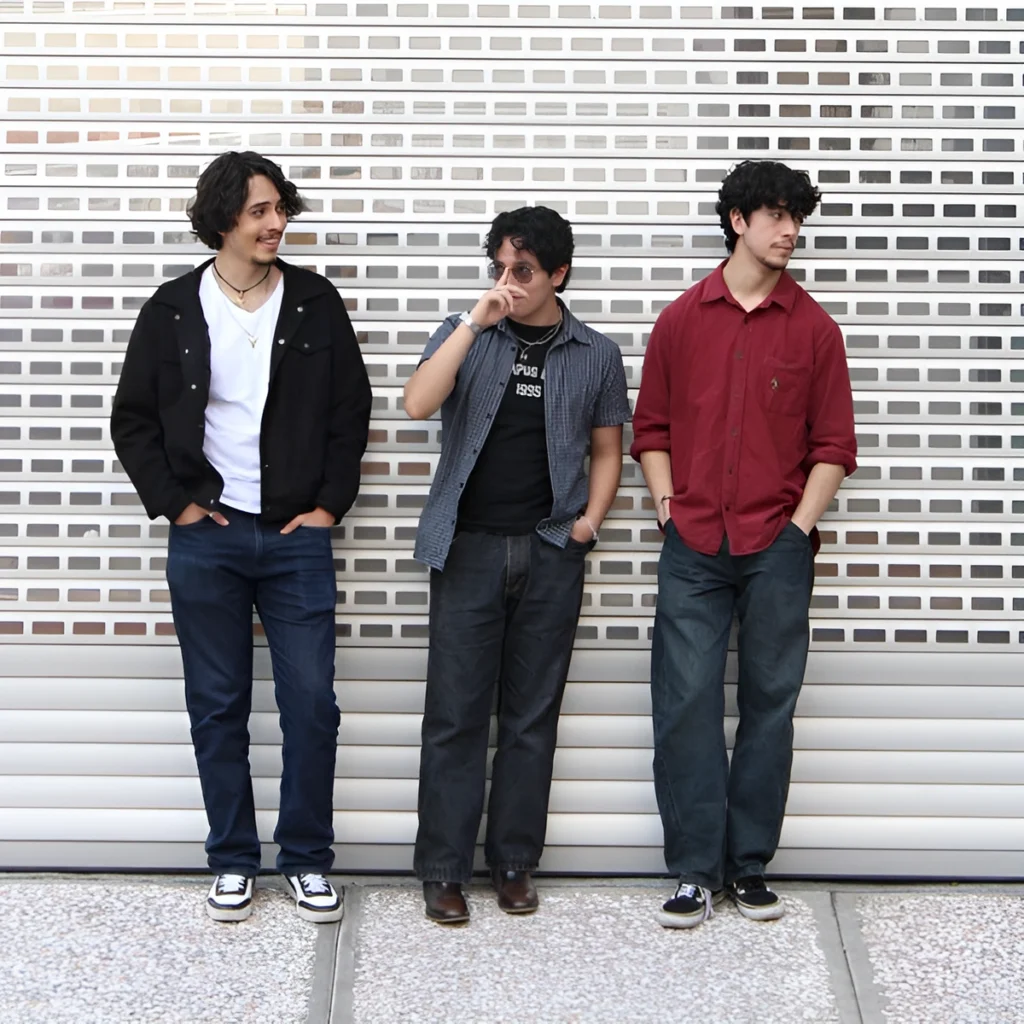
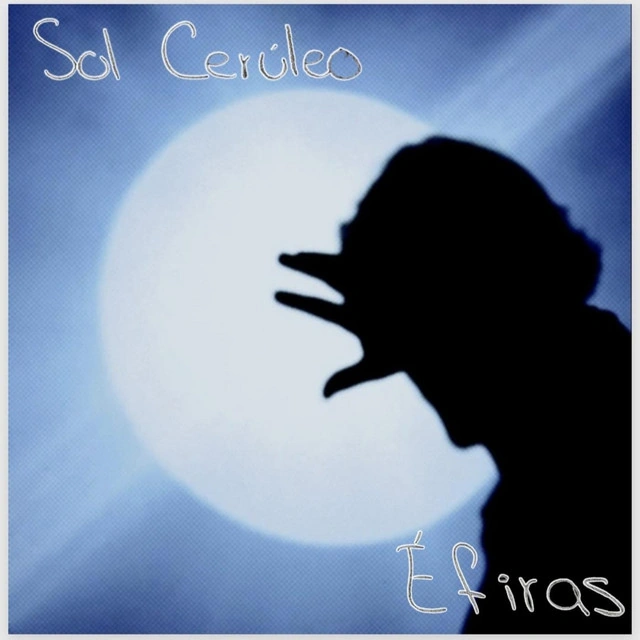
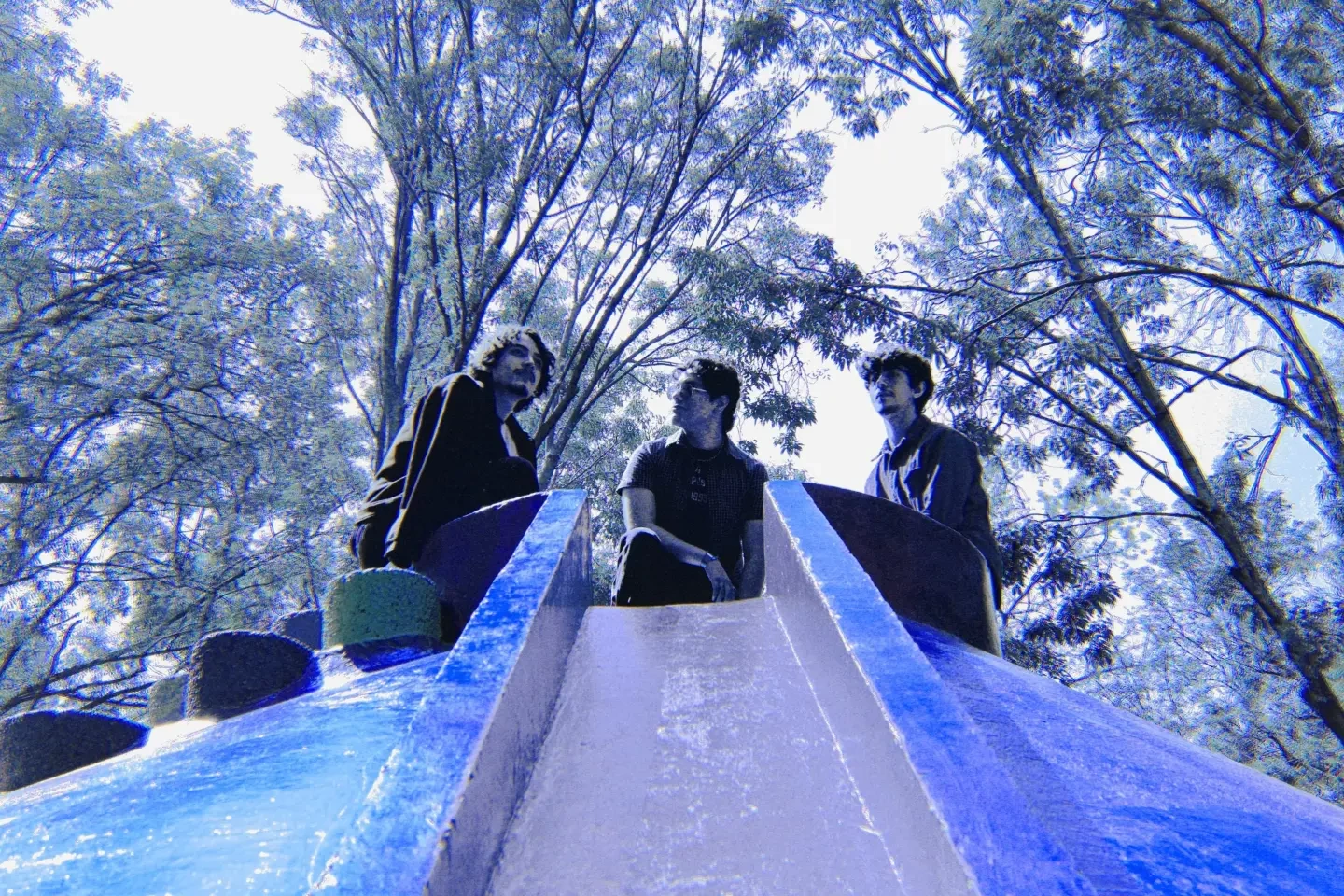
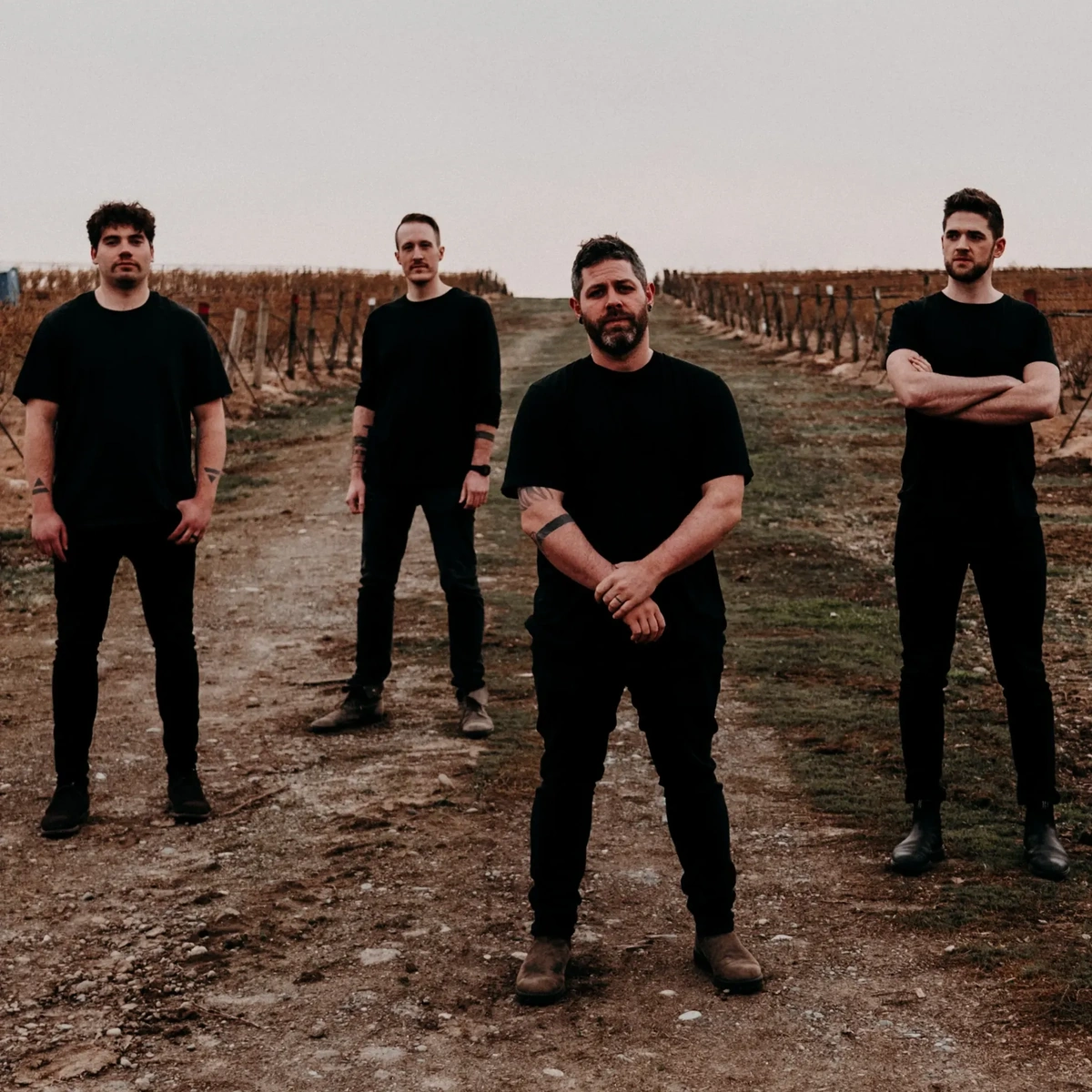
Turquesa holds a steady, melancholic groove for most of its four and a half minutes. Then it breaks into a post-punk climax. Éfiras, five friends from Mexico City, Mexico, put the song first on Sol Cerúleo. The five-track EP came out on 9 October 2026, and the band chose Turquesa to lead it.
Éfiras are in the playlist below with Turquesa, and the Éfiras artist profile holds the full run of articles. Sol Cerúleo came to this desk through PopHits.Co Music Charts, which verifies independent artists and places their releases across its network of music news titles. Press play on the EP, then keep reading for where the band fits.

The scene is the story here. Spanish-language rock has a long line in Mexico. Sol Cerúleo sits where its familiar, nostalgic side meets the harder edge of post-punk. So where Éfiras fit on that line, and who stands closest, says more about this indie rock record than any adjective could.

Mexico Has a Long Line of Spanish-Language Rock, and Éfiras Join It With Sol Cerúleo
Start with the name the band gives that tradition. Rock en tu idioma, or rock in your language, began in 1986 as a marketing push by the label BMG Ariola. It was a run of compilation albums that brought Mexican, Spanish and Argentine bands to a wide audience, and it ran until about 1991. Its albums were very popular in Mexico in the late 1980s, because many of those bands were hard to find there on record. They also put Spanish-language rock back at the front of Latin American music.
Sol Cerúleo takes the familiar half of that sound and keeps it at the centre. The grooves are stable and a little sad, the kind you settle into rather than admire. Then the songs open up into raw climaxes that belong to post-punk instead. Turquesa is the clearest example. It holds its groove for minutes, then releases it in one sudden instrumental burst.
How the band made the EP is part of why it sounds like this. After playing some of the busiest venues on the local circuit, the five friends stopped for five months to rebuild. They recorded and mixed every song themselves in a home studio, while working through intense creative disagreements. In the end they shaped hundreds of versions, until each member could hear their own identity in the result. Four writers share Turquesa: Alen Jerson Solís Ruiz, Fabrizio Fabela Hernández, Carlos David Jiménez Flores and Norman Giovanni Fernández Guzmán.

Three Singles in 2026 Led the Way to the EP
The EP also closes a busy first year of releases. Sigo Aquí, the band’s first single, came out on 10 January 2026. It is a song about staying where you are when a love has worn out. Then Enedina followed on 28 February and Mi Lunar on 29 May. Mi Lunar returns on the EP as its fourth track. Around it sit Turquesa, Suppressing Love, a ninety-eight-second title track and Waiting, about fifteen minutes in all.
The subject matter is existential dread and modern apathy, the mornings when getting out of bed feels impossible. Turquesa comes from inside that feeling. Its lyrics, in Spanish, are about no longer being able to keep giving yourself to someone. Even the name fits the mood. An éfira is a young jellyfish, and the band signs its online profiles with three of them. The EP and its focus track also take their names from shades of blue: cerulean and turquoise.
Caifanes, Los Bunkers and Interpol Are the Nearest Neighbours of Éfiras on Sol Cerúleo
So who stands closest? Start at home. Caifanes formed in Mexico City in 1986. Their break came through Ariola, the label behind Rock en tu idioma. It asked them to open for the Argentine rocker Miguel Mateos. In 1992 they made El Silencio with Adrian Belew of King Crimson producing, and Mexican rock still measures itself against that album. From the start they were the darker answer to the polished pop of the time. A familiar Spanish-language song with something heavier underneath is the half of Sol Cerúleo that feels like home.
Los Bunkers carried the same tradition into the 2000s from Chile. The band moved from Concepción to Mexico City in 2008. For almost six years they were the busiest Chilean act in the country. In 2010 they released Música libre, rock versions of songs by the Cuban songwriter Silvio Rodríguez. It became the fifth best-selling Chilean album on physical formats this century. So rock built on songs a crowd already half knows is the comfort the grooves on Sol Cerúleo reach for.
Interpol and the Post-Punk Half of Sol Cerúleo
Interpol are the outsiders, a New York band, and they stand for the other half of the EP. On 20 April 2024 they played a free show to around 160,000 people in the Zócalo, Mexico City’s main square. That crowd shows how large the post-punk audience in Mexico has become. Still, the sudden climaxes on Turquesa are where that influence is easiest to hear.
From the IndieRock.News curator team: “We added Turquesa to our Indie Rock, Alt Rock, New Wave playlist because it does two things at once. It keeps a groove going for minutes, then lets go of it. A band mixing its own record has to find that balance by ear.”
So Turquesa is the place to begin. It holds the groove of an older Mexican rock tradition, then lets the post-punk in. Sol Cerúleo does the same across fifteen minutes. The next date on the band’s calendar is La Biblioteca, on 30 January 2027.
Stream Sol Cerúleo on Apple Music and find the first single, Sigo Aquí, on Bandcamp. Follow Éfiras on Instagram, TikTok and YouTube for the next show.









About Author