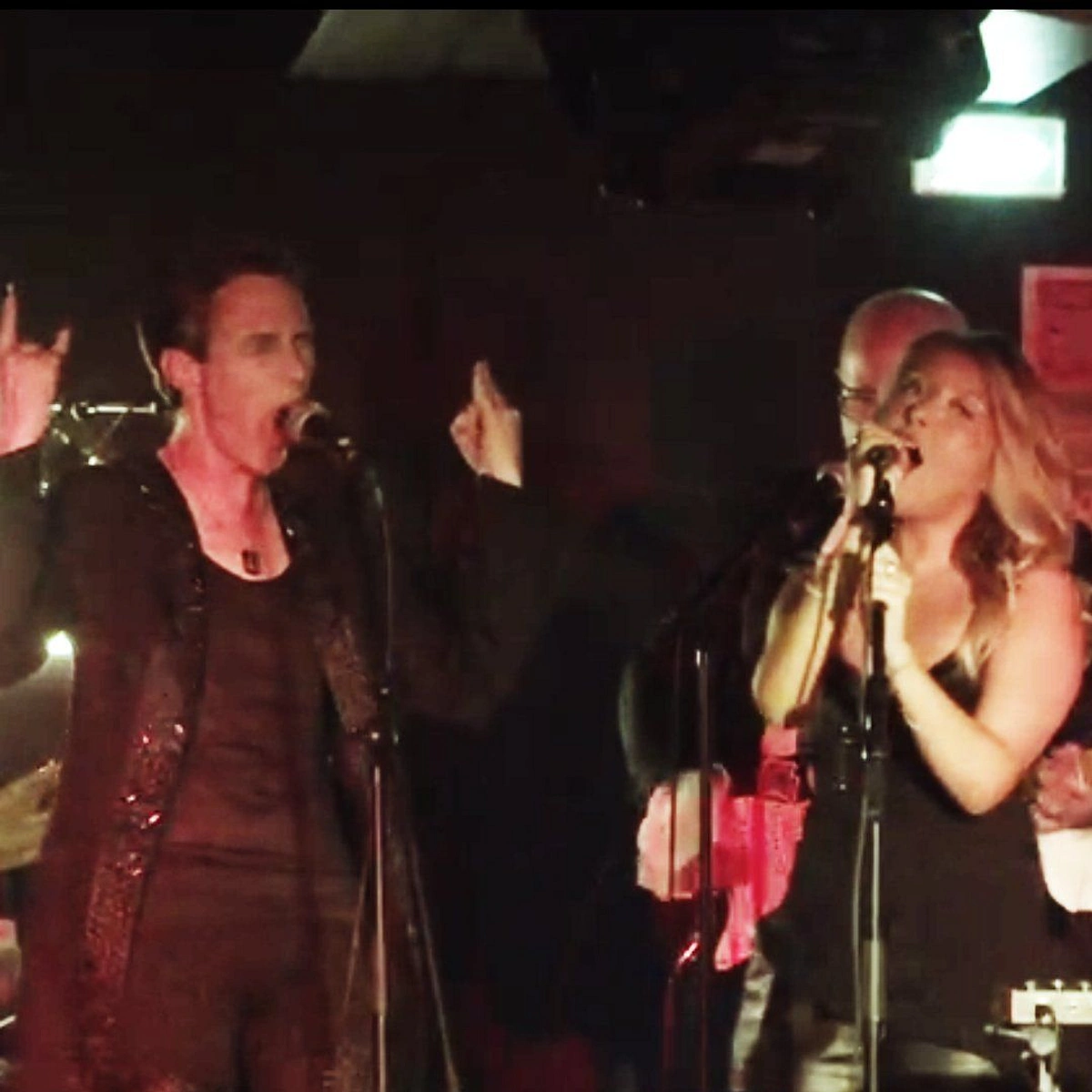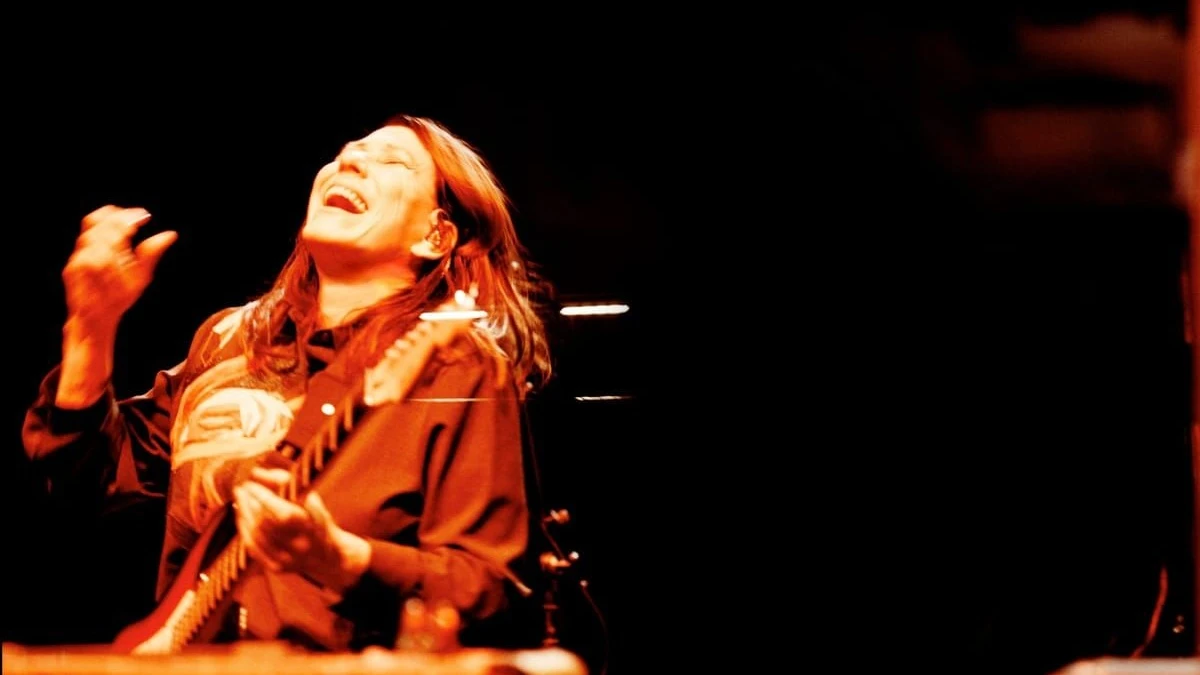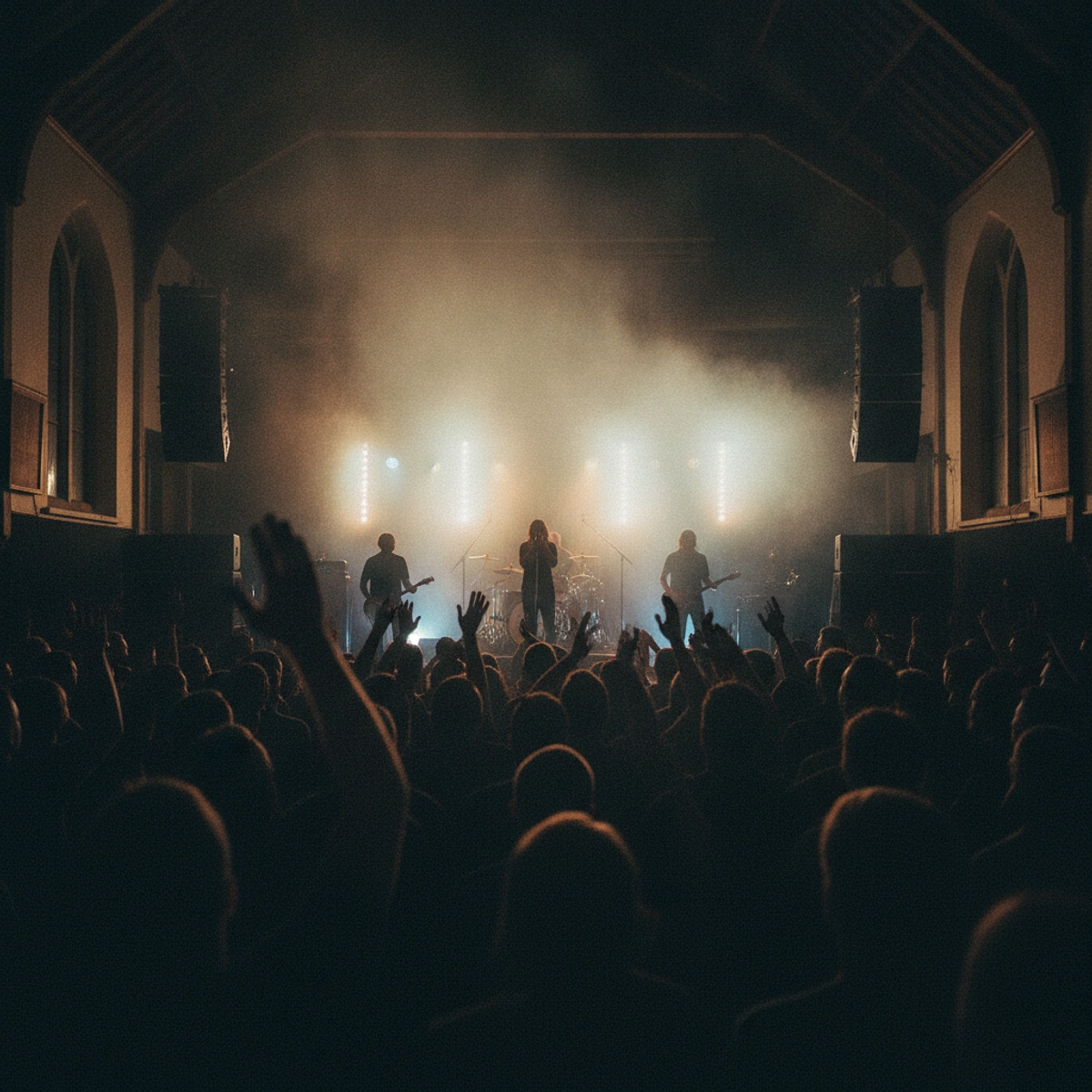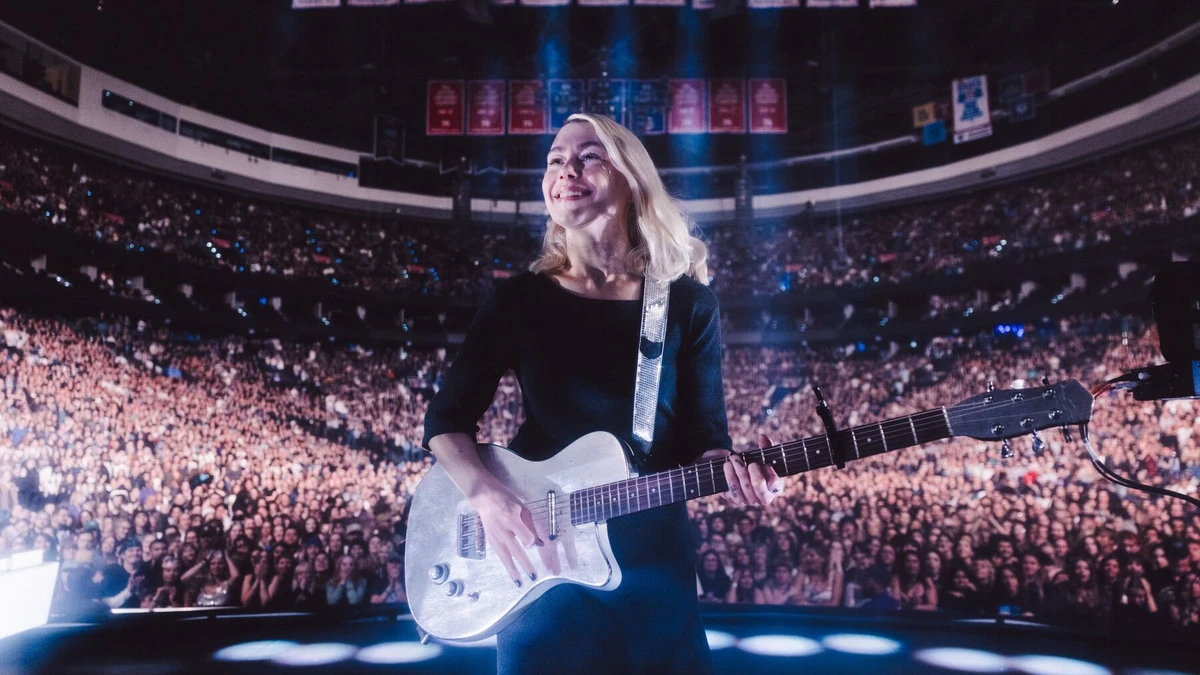

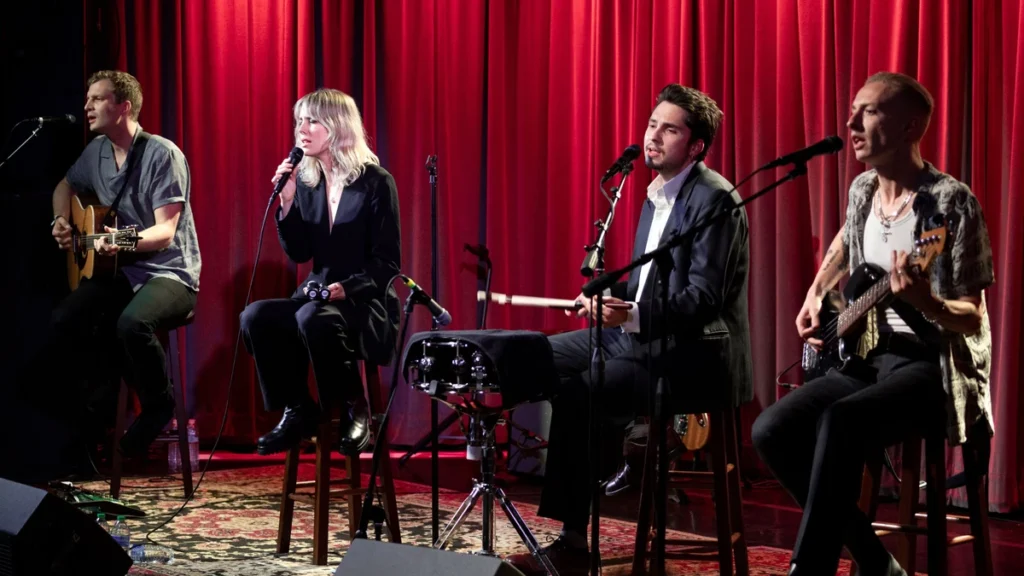
Wolf Alice performing at the Grammy Museum in 2021
Wolf Alice performing at the Grammy Museum in 2021
The room Wolf Alice wanted most when they started out held 150 people. In the early 2010s the band’s ambition was to play The Old Blue Last, the east London pub that was then the centre of the city’s indie scene. Next August they close Boardmasters, headlining the Sunday night on the clifftops at Watergate Bay in Cornwall, a booking confirmed on 19 November, the same day they collected the Group Award at the Rolling Stone UK Awards.
It caps a year in which the four-piece won Group of the Year at the BRIT Awards, played the biggest headline show of their career at Finsbury Park and did it all on the back of the album that got them there, 2025’s “The Clearing”. The distance between that pub and a festival main stage is the story, and the band have spent a decade covering it at a pace they chose.
A Pub Stage Was the Original Ambition
As NME recounted in an interview with the band last December, playing The Old Blue Last was the whole dream when they formed. They have since played it many times and moved up to arenas, including two nights at London’s O2 in December 2025. Guitarist Joff Oddie described everything since as a bonus: “this is just a bonus level!”
The band could arguably have taken that arena step earlier, on 2021’s “Blue Weekend”, but chose not to. “We’ve grown at the right pace,” bassist Theo Ellis said in the same interview. “We’ve done things when we’ve felt comfortable doing them.” That patience is unusual in a business that pushes bands to scale up the moment a record lands, and it is part of why the line-up has held: Ellie Rowsell and Oddie have played together for around 15 years, with Ellis and drummer Joel Amey alongside them for about 13.
Amey put the reason in plain terms. “I still have this inherent excitement of when I first met these guys,” he told NME, recalling the jams in a Camden rehearsal room where it started. NME’s verdict on their return to the stage in 2025, after a three-year break from touring, was that they had levelled up, with Rowsell a more exhilarating presence than ever.
The Rolling Stone UK Award at the Roundhouse
The Group Award came on 19 November at the Roundhouse in London, with Rowsell collecting it on the band’s behalf, Sony Music UK said in a note congratulating its artists. The label described the win as following “a standout year for the group”, and it lands a few months after the Finsbury Park show that NME called their biggest headline date to date.
It is the second time in 2026 that Wolf Alice have been named the best group in the country by a major awards body. The first was in February, when they took Group of the Year at the BRIT Awards at Manchester’s Co-op Live, a prize they had also won in 2022. Two group prizes in the same year, from a televised industry ceremony and from a magazine’s own awards, is a decent measure of how far the band now reach beyond the indie audience that found them first.
Closing Boardmasters on the Sunday Night
Boardmasters returns to Watergate Bay and Fistral Beach from 4 to 8 August 2027. The first wave of names, announced on 19 November, put Chase & Status at the top of the Friday bill, Disclosure on the Saturday and Wolf Alice on the Sunday, NME reported. For the first time the festival will also stage live music on the Thursday, with the Dutch DJ Chris Stassy as its first Thursday main stage headliner. That day had previously been reserved for the silent disco.
“This is one of the strongest first waves we’ve ever announced,” festival director Rob Spring said. “Chase & Status, Disclosure and Wolf Alice are three of the most exciting live acts in the country.” The early line-up also includes Two Door Cinema Club, Blossoms, Declan McKenna, La Roux, The Vaccines, The Fratellis and The Big Moon, so the Sunday sits in a bill with plenty of guitars underneath it.
Boardmasters began as a surf competition on those beaches in 1981, and the surf contest still runs alongside the music at Fistral. Tickets go on sale on Friday 27 November at 10am, with pre-sale options opening the day before. For Wolf Alice it is a festival headline in the most literal sense: the last set of the last night, facing the Atlantic.
A Year That Started With a BRIT
The February BRIT was not just a trophy. Rowsell used her acceptance speech to talk about the small rooms that made the band. “We’d like to also thank all of the pubs and clubs and grassroots venues across the country where we quite literally learned to play our instruments and write our songs,” she said, according to NME’s report from the ceremony.
She went further, citing closures and job losses across the small-venue circuit. “It shouldn’t be a battle to survive for bands and artists,” she said, adding that a music career should not “feel like a golden ticket, but a viable career decision for anyone from any background.” The award was presented by Shaun Ryder and Bez of the Happy Mondays, a nice piece of Manchester casting for a band that had once dreamed of a single pub gig.
Then came Finsbury Park in July, the band’s biggest headline show to date, with a support bill that NME listed as including The Last Dinner Party, Lykke Li, Rachel Chinouriri, Keo and Florence Road. Florence Road had already toured Europe with them, and Ellis told NME the band felt a responsibility to give younger acts on the road a good and positive environment.
What The Clearing Changed on Stage
“The Clearing”, the band’s fourth album, arrived in August 2025 and topped the UK chart, according to NME. It leans on Americana and sunny Californian pop, which surprised some listeners, but the band see it as of a piece with everything before it. Ellis called it “the most Wolf Alice album we’ve ever made”.
Rowsell has said the record was written with the stage in mind. “No matter how big or small the stage is, it feels like you’re part of a real show,” she told NME, explaining that she wanted performance built into the songwriting and the recording rather than worked out afterwards. People call it their most chilled-out album, she added, but it does not feel that way when they play it. Ellis admitted some parts are hard to play live, which he said keeps the band from resting on their laurels.
The older songs have changed their weight too. “Don’t Delete the Kisses”, from 2017’s “Visions of a Life”, has grown slowly into their biggest song and the usual closer of their shows. NME gave “The Clearing” five stars and placed it 11th in its albums of 2025 list, with “Bloom Baby Bloom” at 12 in its songs of the year.
Why the Small Rooms Still Matter to Them
For all the arena talk, the band keep returning to the bottom rung of the ladder. They have signed up to the LIVE Trust levy, which puts £1 from each ticket towards grassroots venues. Oddie told NME the band were “relatively lucky in the opportunities that we got, and it would be a shame if new, younger acts didn’t have the same,” and argued for more funding to go directly to young artists rather than only to other parts of the industry.
He pointed to his own band’s history as proof. Wolf Alice received support from the PRS Foundation’s International Showcase Fund in 2014, which got them to SXSW that year. “That was transformative because we didn’t really have the money to do it at the time,” he said. It is the same kind of support that keeps smaller scenes alive, from London’s pubs to networks like Brighton’s shoegaze circuit and the labels around it.
That is the thread running through the year. A band that wanted a 150-capacity pub now closes a festival on a Cornish clifftop, and it spends its award speeches arguing that the next band deserves the same shot. When Wolf Alice walk out at Watergate Bay next August, the room will be considerably bigger, and they will have earned every step of the climb.
About Author