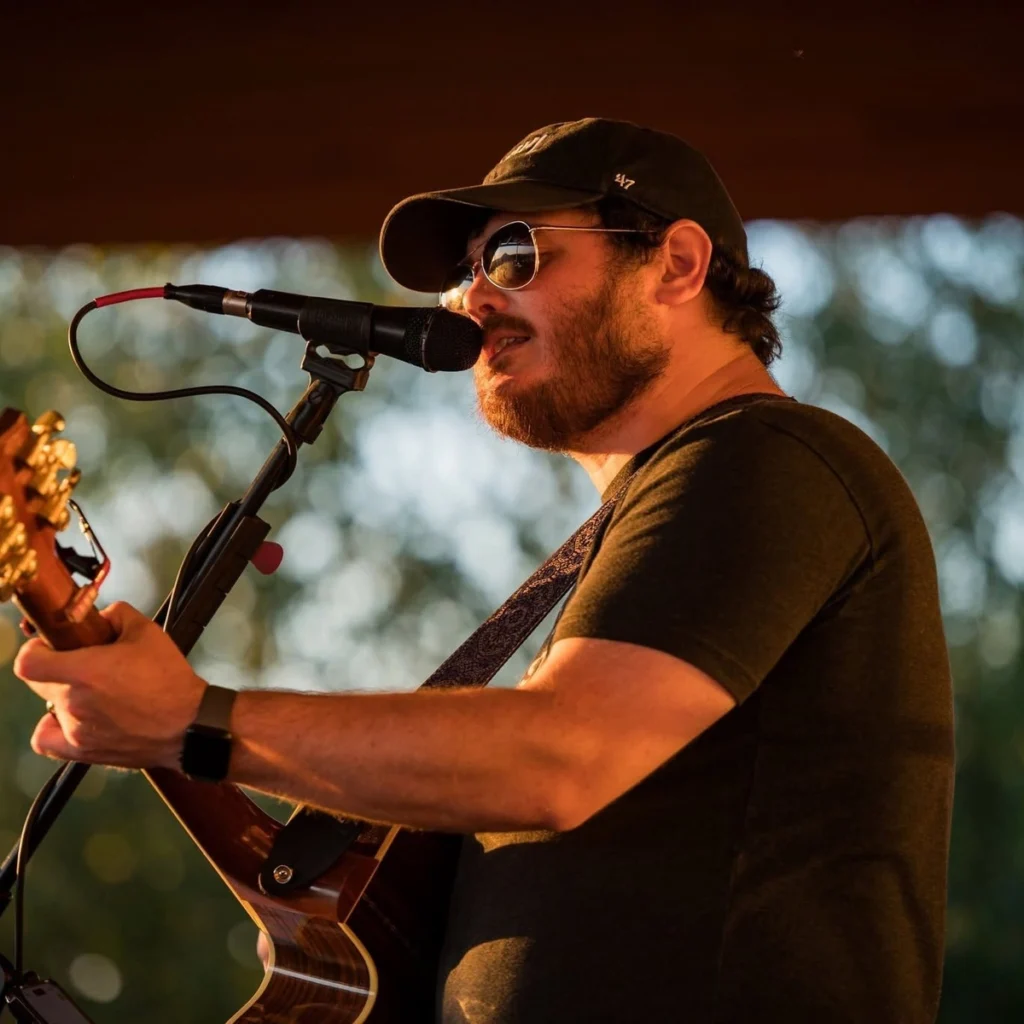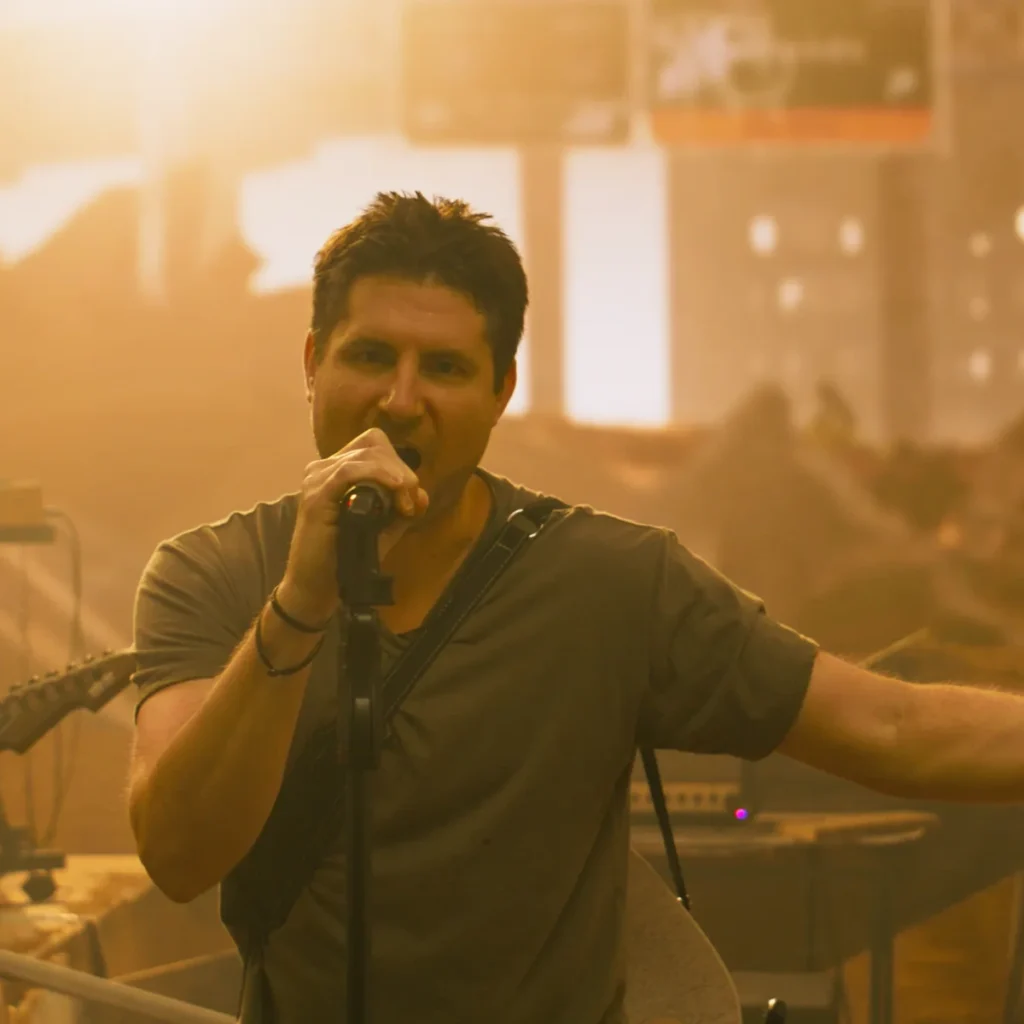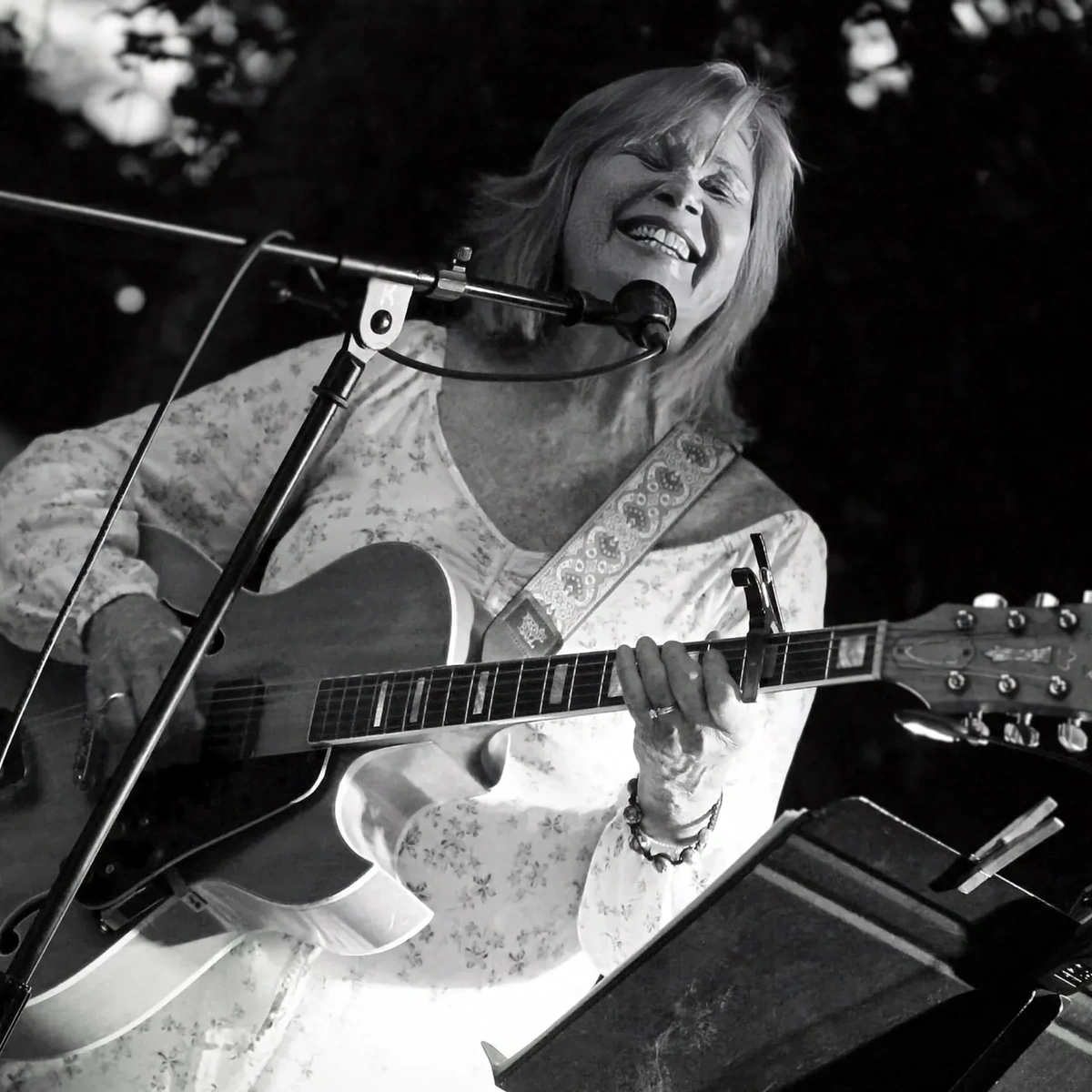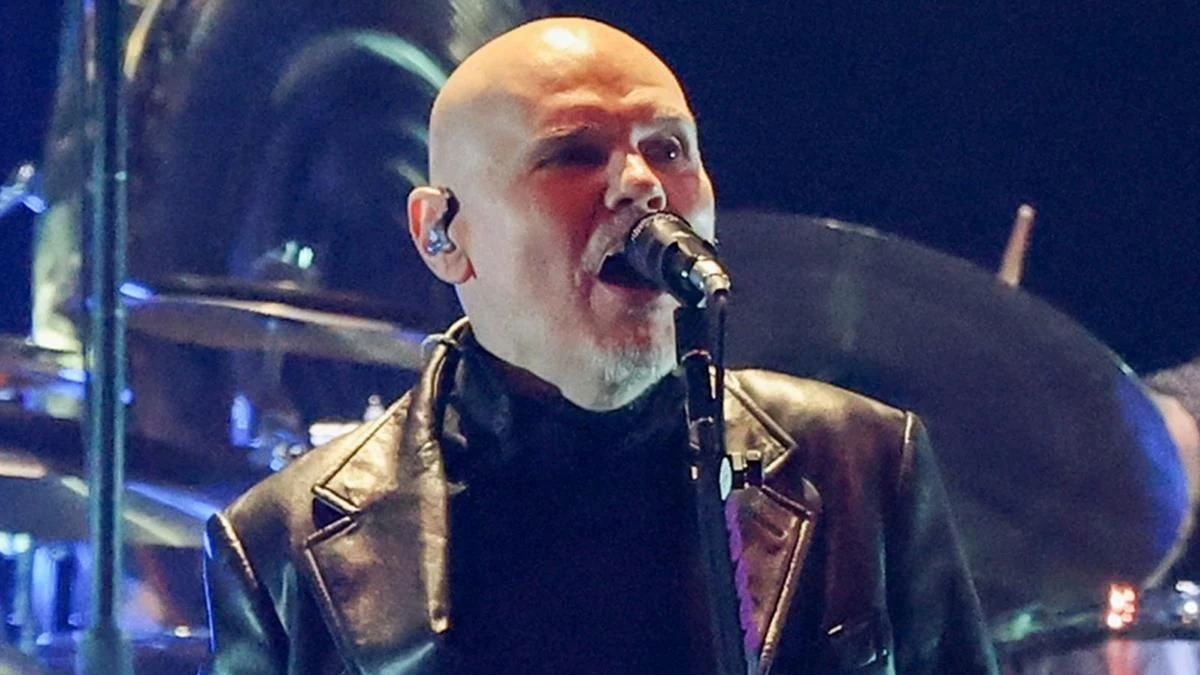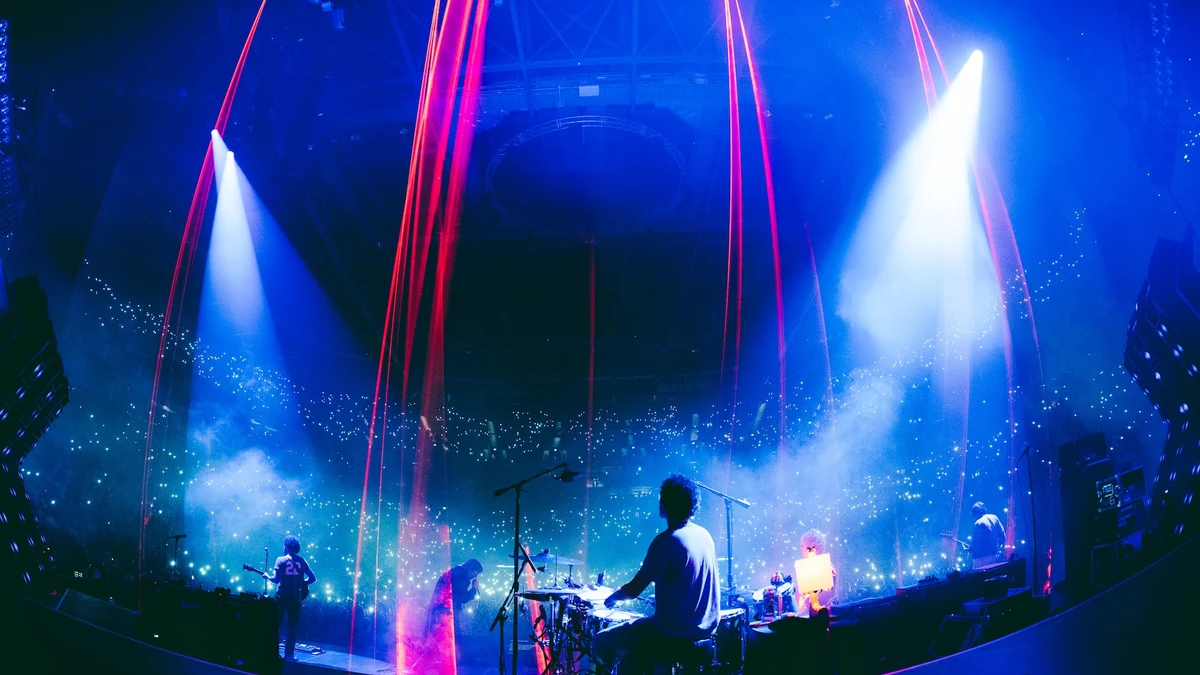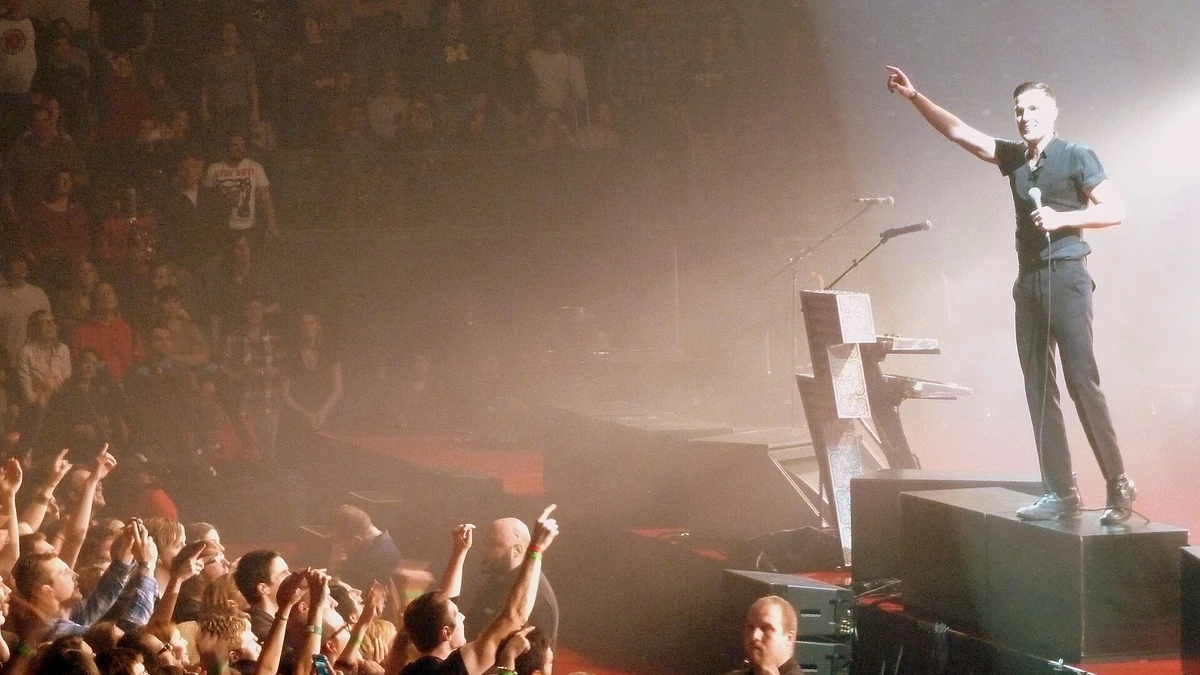

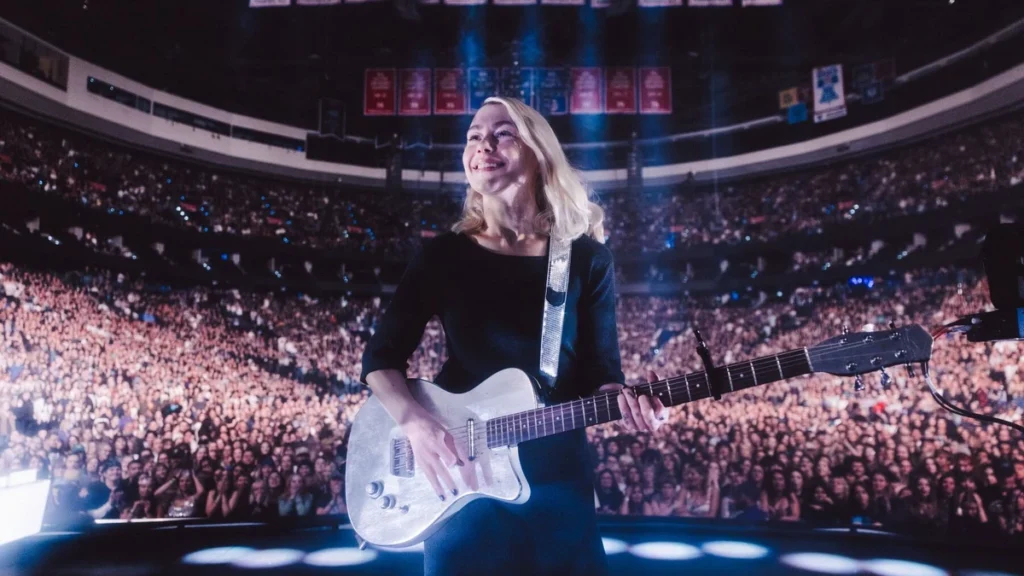
Phoebe Bridgers at Xfinity Mobile Arena in Philadelphia during The Lost Tour.
Phoebe Bridgers at Xfinity Mobile Arena in Philadelphia during The Lost Tour.
Before Phoebe Bridgers walks on, the loudest thing in the arena is conversation. Nobody is filming the empty stage or scrolling in the half-light. At TD Garden in Boston this month, Boston.com reported that no face in the room was lit by a screen from below; people talked to one another, and at least one fan sketched in a notebook propped on their knees. That is the sound of The Lost Tour, the phone-free arena run behind Phoebe Bridgers’ album Lost Weekend, which reaches Rogers Arena in Vancouver tonight.
Every phone goes into a locked Yondr pouch at the door, and it stays there until the show is over. The rule is strict, the tour is sold out, and the reviews from the first six weeks say the same thing in different words: take the screens out of an arena and the room starts listening again.
How the Phone-Free Policy Works
The mechanics are simple. Fans scan their tickets, then seal their phones into Yondr pouches, which stay locked for the entire performance, TicketNews reported when the policy was announced in June. They can only be opened at designated areas in the venue lobby, or on the way out after the show. In Philadelphia, The Philadelphia Inquirer described the pouches hanging from lanyards around fans’ necks for the full three hours, with some 20,000 people in the room and their phones out of reach.
Bridgers tested the idea before the tour began. In June she played a phone-free show at Madison Square Garden with tickets from $1, and no recording devices of any kind were allowed, from cameras and smartwatches to Bluetooth headphones. The FADER called that night a preview of the arena tour that followed, which sold out in North America and the UK within hours of going on general sale.
What an Arena Sounds Like Without Screens
The reviews keep coming back to the room. Boston.com’s critic, a member of Gen Z, had never stood in a crowd that size where nobody was looking at a phone, and found the experience richer for it. In Denver, Westword noted that when opener Alex G mentioned a hockey score, it was news to the whole arena, because nobody could check. Small moments like that only happen when everyone in the building is getting the same information at the same time.
The setlist leans into the idea. Bridgers still sings “Garden Song”, with its line about growing up and looking up from her phone, and both the Boston and Philadelphia reviews noticed how differently it lands in a room where everyone already has. In Boston she thanked the crowd for putting their phones away, explaining that the album had been intense to release after her father’s death and that the quiet made the night easier for her. In Philadelphia she joked about fans in other cities who had cut their pouches open with knives.
A Planetarium Hung Over the Stage
The production gives people something worth looking up for. The show opens with “The Outside” playing over two empty stages while a dome covers the main one; the Inquirer compared it to a giant cloche, the cover a waiter lifts at a fancy restaurant. When it rises, it reveals Bridgers, her band and a string section. From there the dome becomes a red planet for “The Governor’s Waltz” and a moon for “Moon Song”, while a black, meteor-like orb hangs over a second stage in the crowd and flares at the peaks of “Lost Weekend” and “As Above”.
The space theme was not invented for the tour. Over the summer, Bridgers built up to the album with phone-free pop-up shows around the US and listening parties held in planetariums, the Inquirer reported, and the arena show scales that idea up. Lost Weekend, released on 14 August through Dead Oceans, is an album about love and about the death of her father, and Boston.com read the cosmic staging as a fit for grief, which so often feels like watching your own life from a distance.
The Band, the Strings and Alex G
Phoebe Bridgers is touring with a nine-piece band that includes a four-person string section, according to the Inquirer. Westword’s Denver review named the players: Yi-Mei Templeman on cello, Micah Preite on guitar, Lily Belknap Honigberg on fiddle, Nick White on keys and Connor Vance on mandolin and violin, with Melina Duterte, who records as Jay Som, sitting in on several instruments. The arrangements move from folk-pop into louder, noisier textures, and the back half of the set opens up the guitars.
Alex G opens every North American date, and he is more than a support act here. He co-wrote two songs and co-produced 11 on Lost Weekend, the Inquirer reported, and his sets have run close to headliner length, between 16 and 19 songs depending on the night. Westword described his mix of bedroom pop, folk and electronic pop as a natural prelude to the main set.
Twenty-Six Songs, Three Records
The Philadelphia show ran to 26 songs, drawing from Lost Weekend, 2020’s Punisher and her 2017 debut, Stranger in the Alps. In Boston the set opened with “The Outside”, “Motion Sickness” and “Kill Me”, moved through “Garden Song” and “Moon Song”, then dropped into a quiet stretch on the second stage, where Bridgers sat on the floor with a church organ for the title track before the strings joined her for “Funeral” and “Graceland Too”.
The back half is louder and looser. “On Video”, written for the film Primetime, brings grunge guitars and red floodlights, and “Kyoto” drew perhaps the loudest reaction of the night in Boston, with the band jumping alongside the crowd. For “I Know the End”, the house lights come up so the whole arena can see itself, which is the point of the phone ban in a single gesture. A couple of slots rotate between nights: Boston heard “Georgia” and “ICU”, while Detroit got “Waiting Room” and “Emily I’m Sorry”.
Part of a Wider Move Away From Screens
Bridgers is not the first artist to use Yondr. The pouches started out in comedy clubs more than a decade ago, Westword notes, where the aim was to stop jokes leaking to future audiences. TicketNews lists the Misfits, Alicia Keys and The Lumineers among the early music adopters, with Jack White known for banning phones outright and acts from Paul McCartney to Bruno Mars using the system over the years. The Inquirer points to Jill Scott taking the same route for a four-night stand in Philadelphia.
The appetite is growing. Eventbrite reported that in the first three months of 2026, phone-free events had already reached more than a third of the previous year’s global total, according to TicketNews. An arena tour of this size makes the case at a new scale: if 20,000 people can go three hours without their phones and come out raving about it, smaller rooms have even less excuse.
Where The Lost Tour Goes Next
After tonight’s show in Vancouver, Phoebe Bridgers plays two nights at Chase Center in San Francisco on 27 and 28 October, then three nights at the Intuit Dome in Los Angeles from 30 October to 1 November. On 14 November she is the musical guest on Saturday Night Live, with John Mulaney hosting for the seventh time, Exclaim reported.
The UK and European leg follows, with Isaac Wood and Anaïs supporting: two nights at Dublin’s 3Arena on 23 and 24 November, then Manchester’s Co-op Live on 26 November, Glasgow’s OVO Hydro on 27 November and Birmingham’s bp pulse LIVE on 28 November, before two nights at The O2 in London on 1 and 2 December. The run ends at the Avicii Arena in Stockholm on 12 December. For another big-room night with a story attached, read how The Strokes skipped “Last Nite” in Queens but played it at The O2.
Bring a friend, not a charger. Your phone will be in a pouch, and by the sound of the reviews, you will not miss it.
About Author