
Sri Lanka Comeback Album Leviathan: A 30-Year Arc From CBGB Tragedy to Triumphant Return
Tracing the Band’s 80s Post-Punk Origins and the Tragedy That Forced Decades of Silence
Some records arrive as artifacts — documents of a time and place that feel both impossibly distant and startlingly present. Released on May 1, 2026, Leviathan is the Sri Lanka comeback album. It finally closes a circle left open for over three decades. Forged in the crucible of the 80s Philadelphia and New York underground, the band fuses Alternative Rock and Dark Wave. Their return is a testament to unfinished business — a legacy of early promise and profound loss.
You can listen to our full playlist which contains the artist’s music, and know more about the artist’s work by scrolling down the page.


Forged in the 80s East Coast Underground, Silenced by Tragedy
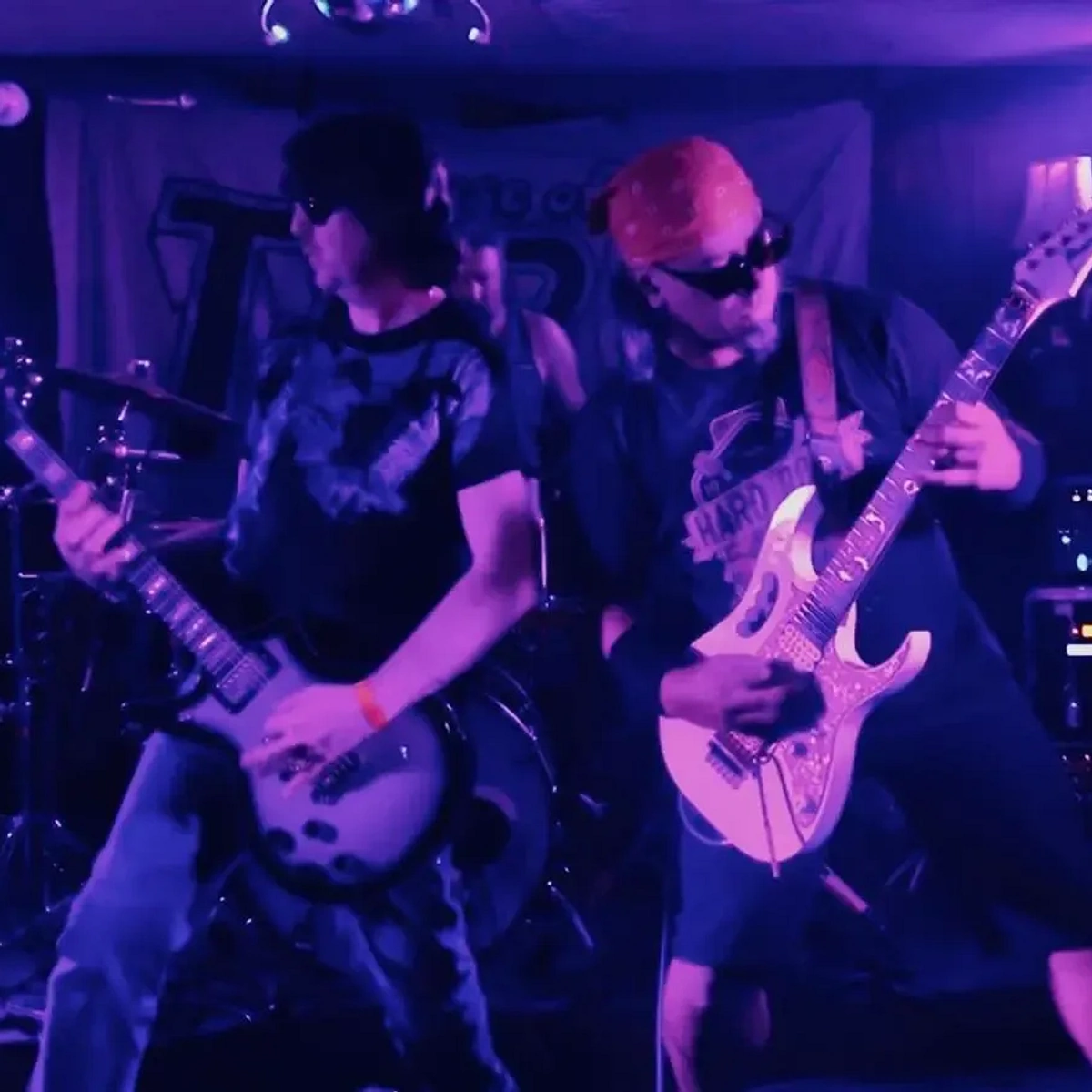
To understand Leviathan, you have to go back to 1986. While major labels chased hair metal and synth-pop, a darker, more introspective sound was brewing in the clubs of the American East Coast. Sri Lanka emerged from this fertile ground with a sound that channelled the brooding energy of their UK counterparts. They quickly became a fixture in the underground scenes of Philadelphia and New York, earning slots at iconic venues like CBGB — a stage that served as a rite of passage for punk and post-punk royalty.
That live energy suggested a significant future. But in 1989, the momentum was cut short by an unthinkable tragedy: the death of their founding frontman. The loss fractured the band, and what seemed like a temporary pause stretched into years, then decades of silence. The songs they had written and the energy they had captured on stage faded into memory and myth. They survived only on dusty demo tapes and in the minds of those who were there. It is a story familiar to many scenes — a tale of “what if” that usually remains unanswered. Until now.

How the Sri Lanka Comeback Album Leviathan Fulfills a Thirty-Year Legacy
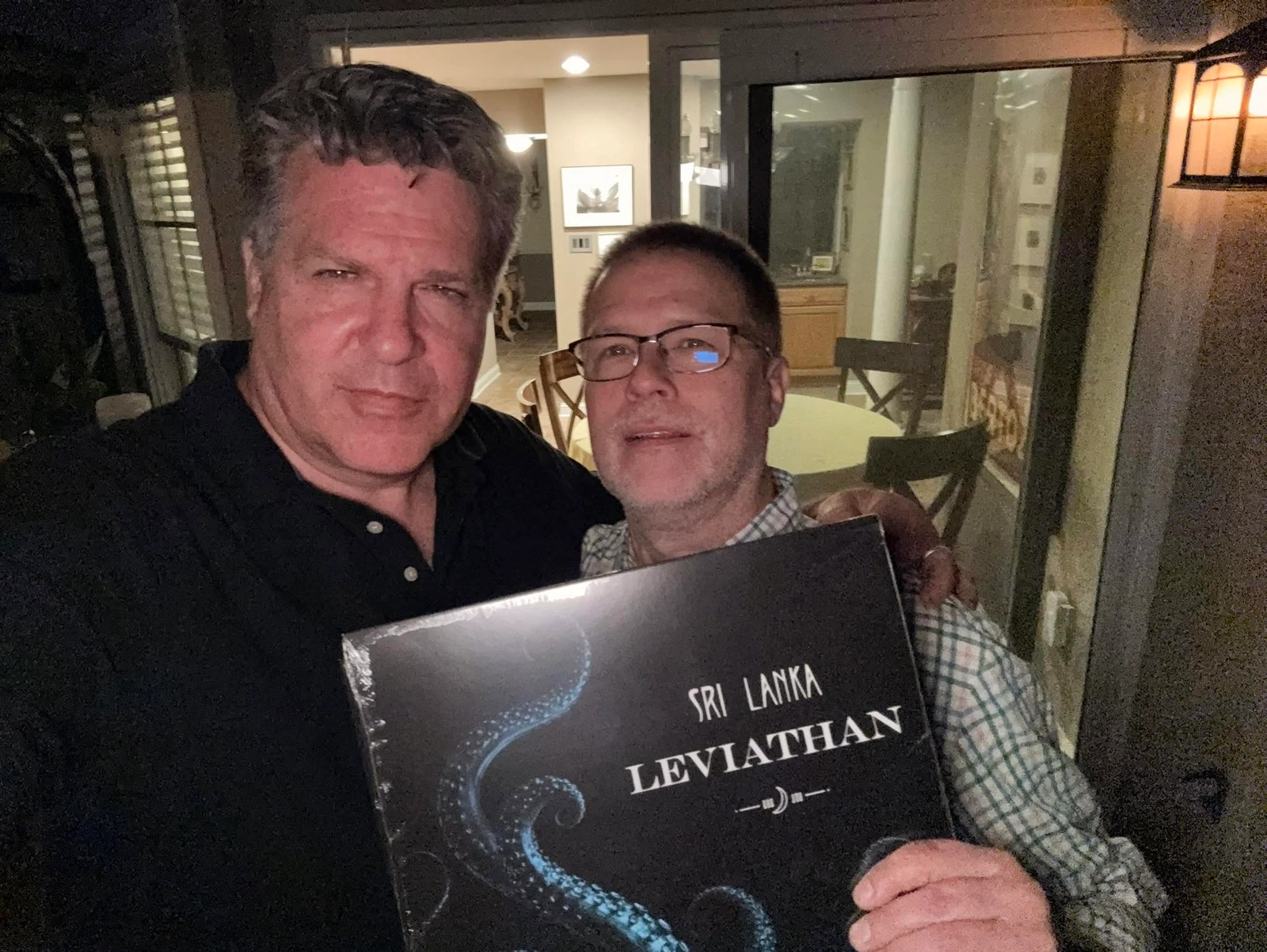
Leviathan, the Sri Lanka comeback album, is the answer to that thirty-year question. It is an act of reclamation, pulling the band’s history into the present by finally giving studio treatment to long-unreleased songs. This is the sound of a band picking up right where they left off, armed with decades of perspective. Pairing reworked classics with new compositions creates a seamless bridge between their origins and their current form.
The older tracks, finally given a full studio treatment, are presented with new clarity. The production is clean but retains the grit and atmosphere of its era. The new songs, meanwhile, carry the same thematic weight and melodic instincts as the band’s early work.
As singer Jeffrey D. Erb explains, this was a core motivation behind the project. “We’re incredibly excited to finally release material that never had a studio recording before, alongside new tracks that bridge our past and present,” he said. “This album is a testament to our journey, and we believe it offers something deeply resonant for both our long-time supporters and new listeners exploring the darker, more emotive side of rock.”
From the IndieRock.News Curator Team:
Sri Lanka’s Leviathan resurrects the past. It is the sound of a promise kept across three decades, delivering the raw energy of the 80s underground with the clarity and weight of modern production. This return feels both historically rooted and strikingly new.

A Post-Punk Sound That Channels The Cure, Bauhaus, and The Sisters of Mercy
Placing Sri Lanka sonically is to trace a map of post-punk and goth’s foundational architects. The band’s own materials rightly point to a holy trinity of influences: The Cure, Bauhaus, and The Sisters of Mercy. For anyone who keeps these bands in their rotation, Leviathan will feel like coming home.
The connection to The Cure is clear in the melodic, driving basslines that often lead the songs. Its shimmering, melancholic guitar textures create a sense of space and longing, and like Robert Smith’s outfit, Sri Lanka pairs dark themes with strong melodic content. The influence of Bauhaus surfaces in the album’s more angular and raw moments. You can hear it in the stark, skeletal guitar riffs and a theatrical flair that prizes raw feeling over polish — a direct link to the art-school urgency of Peter Murphy and Daniel Ash.
Finally, the spectre of The Sisters of Mercy looms large in the album’s gothic grandeur. The insistent, machine-like rhythms and deep, commanding vocals tap into the same vein of rain-slicked, industrial-tinged rock that made Andrew Eldritch a genre icon. Sri Lanka channels this stoic rhythm and dramatic delivery to evoke the mood of late-night drives and dimly lit rooms.
Why the Sri Lanka Comeback Album Resonates With Post-Punk Fans and Goth Newcomers
One of the most interesting things about the Sri Lanka comeback album is how it speaks to two distinct audiences at once. For the Gen X listeners who grew up with the first wave of post-punk, this album is a direct line to the genuine spirit of that era. It is a record made by peers who lived it, not by revivalists imitating it. The story, the sound, and the venue references all ring true, offering a powerful connection to a formative period in their musical lives.
At the same time, Leviathan lands squarely in the centre of the modern dark wave and goth revival. Younger fans discover the genre through meticulously curated streaming playlists, finding deep connections with its expressive depth. For them, Sri Lanka’s story adds a layer of historical weight to a sound they already love — an origin story for a scene they are now part of.
The return has not gone unnoticed by the darkwave press. Edgar Allan Poets called Leviathan “a darkwave gothic rock experience filled with nocturnal tension, hypnotic grooves, and cinematic atmospheres.” Features from Mesmerized and Good Music Radar have traced the band’s long arc back to the Philadelphia underground.
Leviathan completes a 30-year circle for the band — a story of loss, time, and triumphant return. It honours its past without being trapped by it. Beyond the player above, the album is waiting on Apple Music, Bandcamp, and Deezer, while frontman Jeffrey D. Erb keeps a wider catalogue on SoundCloud. To follow the band’s continuing progression, find them on Facebook, Instagram, and their YouTube channel.


About Author