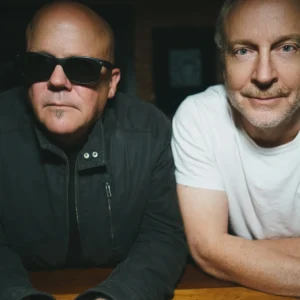


Descending Consciousness Puts Numa Echos and Red Zebra in the Same Milan Room
A Ten-Track Dark Wave Album Cut at Sub 711 and Released Through a Brazilian Label
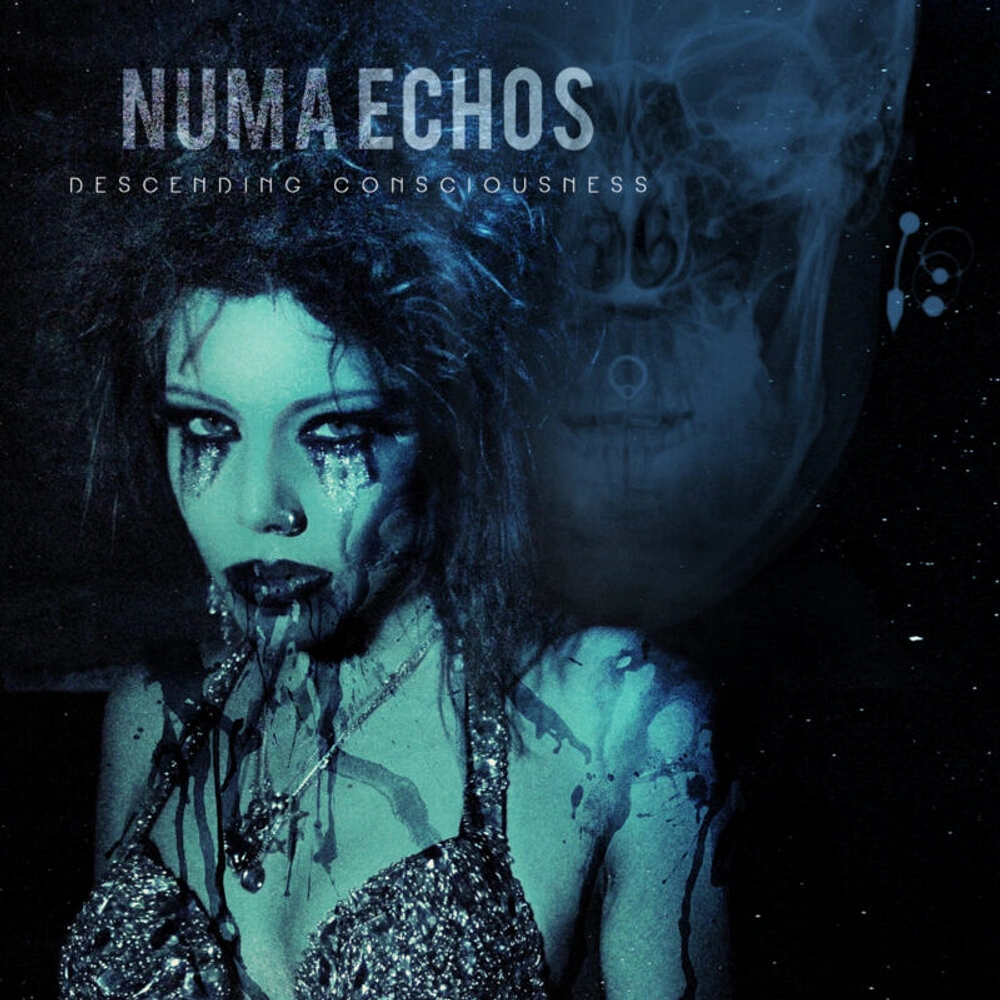
The guitars on descending consciousness keep getting interrupted. A synth line cuts across them, a drum machine takes the floor, and then the riff returns harder than it left. Numa Echos released the album on 3 November 2023. They wrote and produced it in Milan at Sub 711 Studio with Filippo Scrimizzi, and Wave Records put it out. Across ten tracks it moves between dark wave, alternative rock and alt rock pop without ever settling. The record is better for that restlessness.
Numa Echos are in the playlist below, and the full coverage record is on their artist profile. Descending Consciousness reached this desk through PopHits.Co Music Charts, which verifies independent artists and places their releases across its network of music news titles. Press play, then read on.

Where Descending Consciousness Sits in Dark Wave’s Long Second Life
Dark wave never really went away. Instead it went underground, picked up cheaper equipment, and came back through a generation who heard the early records second-hand and had no interest in reproducing them exactly. So what the scene produces now is rarely pure. It borrows the low guitars and the cold drum sound, then lets synth-pop melody in through the side door.
That is the territory this album works. Numa Echos is a composer, singer and instrumentalist as well as an art director, and the record carries the mark of someone who builds the whole object rather than just the songs. Tracks run from new wave with distorted guitar riffs to something closer to old-school synth-pop. Crucially, the sequencing treats those as neighbours rather than departures.

A Milan Studio, a Brazilian Label, and Seven Years Between Albums
Milan matters here more than it might seem. The city has a long alternative infrastructure of small studios and stubborn labels, and Sub 711 is part of it. Because Numa Echos made the whole record there with Filippo Scrimizzi, one hand stays on the production throughout. That is what keeps ten restless tracks sounding like a single album rather than a compilation.
The route to release says something too. descending consciousness came out on Wave Records, an independent alternative label based in Brazil, not on an Italian imprint. An Italian artist makes European dark wave, and a South American label ships it. Only a scene that stopped caring about geography produces that arrangement.
It also helps to know this was not a debut. Numa Echos had already put out Shady World in 2016. As a result the seven years between the two records are audible in how little this one strains for effect. The record handles its electronics with more restraint than a younger act would manage, and the melodies carry sections a first album would have filled with guitar.
Italian critics reached for a long list of names to describe it, running from Joy Division and Depeche Mode through to Lene Lovich and Nina Hagen. That spread is a fair reflection of the record rather than a reviewer hedging. Creepy Time leans new wave with distorted riffs, while others sit closer to old-school synth-pop, and industrial and trip-hop textures stay within reach throughout. Javi’s Playlist and The Music Boutique had already picked it up.


Joy Division, Siouxsie and the Banshees, and the Company Descending Consciousness Keeps
Reference points place a record better than praise does.
Joy Division made the template dark wave keeps returning to, where the bass carries the melody and the guitar just makes the room feel colder. This album uses that division of labour, particularly on the heavier tracks. Consequently it reads as rock even when the arrangement is mostly electronic.
Siouxsie and the Banshees are the closer comparison for the vocal. They proved a singer could sit above post-punk instrumentation with real theatricality and never tip into parody. Numa Echos work that same line, delivering with presence rather than force.
Red Zebra are not a comparison at all, because they are on the record. The Belgian new wave band, with Peter Slabbynck singing, share the credit with Numa Echos on Waisted Items, and that collaboration is the clearest signal of where the album locates itself. This is not a revival act borrowing an aesthetic. Rather, it is a record made in conversation with the people who built the thing in the first place.
Who This Is For, and Where to Hear Numa Echos
The listener here already owns the 1979 to 1983 canon and long ago stopped expecting anything to replace it. What they want instead is a record that understands the vocabulary and still has its own reason to exist. This one qualifies, mostly because it refuses to pick a single lane across its running time. Therefore it rewards a full listen rather than a playlist sample.
IndieRock.News curator team: “The best decision on descending consciousness is the sequencing. Putting a synth-pop track next to a distorted new wave one should not hold together, and yet it does, because the production keeps one hand on everything.”
Play the album on Spotify, stream it on Apple Music or SoundCloud, and buy it on Bandcamp. Numa Echos post on Instagram, Facebook and X, keep video on their YouTube channel, and run their own official site.












About Author